
Caesar vs. Napoleon: A Study in Imperial Ambition and the Inevitable Fall of Empires
Separated by nearly two millennia, Julius Caesar and Napoleon Bonaparte represent archetypes of imperial ambition. Their parallel stories of meteoric rise, transformative leadership, and ultimate decline reveal timeless patterns in the life cycle of empires and the enduring consequences of unchecked power.

The Parallel Paths to Power
Julius Caesar: From Republic to Dictatorship
Born into the patrician class in 100 BCE, Caesar navigated Rome's complex political landscape during the Republic's final crisis. His military successes in Gaul (58-50 BCE) established both his strategic brilliance and a fiercely loyal professional army. The pivotal moment came in 49 BCE when he crossed the Rubicon River with his legions—an act of treason that sparked civil war against the Senate. By 45 BCE, having defeated his rivals, Caesar secured the dictatorship, effectively ending the 500-year-old Roman Republic and laying groundwork for imperial rule.
Napoleon Bonaparte: Revolution's Imperial Heir
A product of revolutionary France's meritocratic opportunities, Napoleon (1769-1821) rose from Corsican nobility to become Europe's dominant military-political figure. His campaigns in Italy (1796-97) and Egypt (1798-99) demonstrated revolutionary warfare's effectiveness. In 1799, he executed the Coup of 18 Brumaire, overthrowing the Directory and establishing the Consulate. His 1804 self-coronation as Emperor symbolized both the Revolution's consolidation and a return to monarchical tradition, creating a unique fusion of revolutionary ideals and imperial ambition.
Shared Strategies: The Architecture of Imperial Power
Cult of Personality and Public Image
Both leaders mastered political theater and symbolic communication. Caesar cultivated an image as both traditional Roman aristocrat and man of the people, using his Commentaries to shape public perception. Napoleon employed art, architecture, and the newly emerging mass media to present himself as both revolutionary hero and legitimate monarch. Their respective statements—Caesar's "Veni, Vidi, Vici" and Napoleon's appropriation of state identity ("L'État, c'est moi")—encapsulated their authoritarian yet popular appeal.
Military Innovation and Expansion
The military reforms of both commanders created unprecedented offensive capabilities. Caesar professionalized the Roman army, improving logistics, engineering, and battlefield flexibility. Napoleon revolutionized warfare with corps system organization, combined arms tactics, and rapid maneuver. Both pursued expansionist policies—Caesar adding Gaul to Roman control, Napoleon creating a European continental system—that provided glory, resources, and political legitimacy while creating future vulnerabilities.
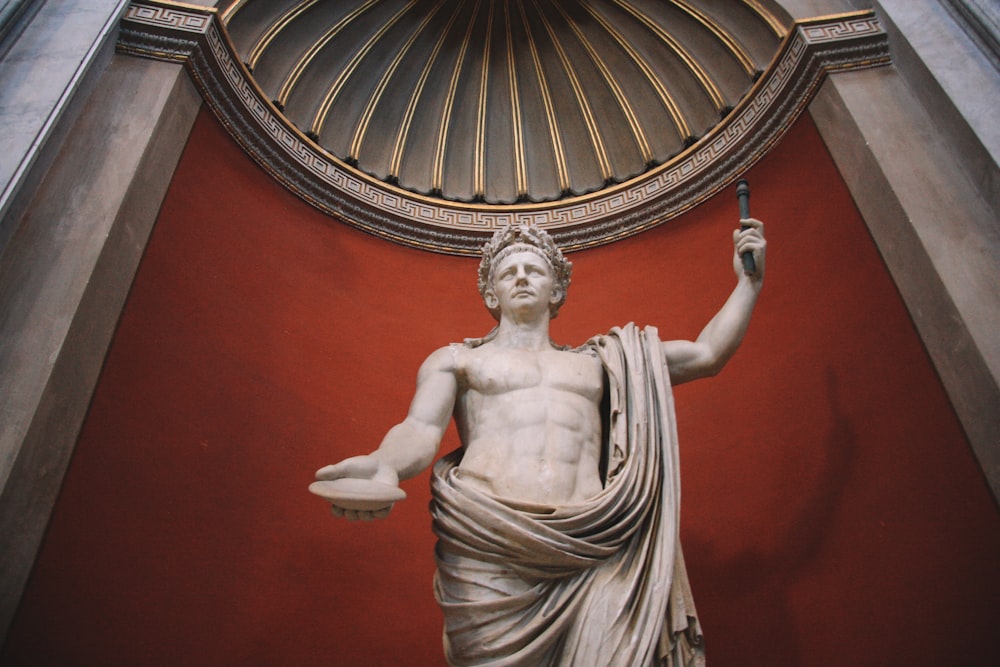
Institutional Reforms with Lasting Impact
Beyond conquest, both implemented enduring administrative systems. Caesar's reforms included extending Roman citizenship, land redistribution to veterans, and the Julian calendar (basis for the modern Gregorian calendar). Napoleon's Civil Code (1804) standardized French law, influencing legal systems across Europe and Latin America. These reforms served dual purposes: consolidating political control while addressing genuine governance challenges.
The Mechanics of Decline: Why Empires Fall
The Roman Empire's Multifaceted Collapse
Rome's decline resulted from interconnected systemic failures over centuries. Political instability following Caesar's 44 BCE assassination evolved into imperial succession crises. Economic strain from maintaining massive armies and bureaucracy led to currency devaluation and taxation issues. Military overextension across three continents stretched resources thin. Ultimately, the combination of internal decay—political corruption, economic decline, social stratification—and external pressure from migrating Germanic tribes culminated in the Western Empire's dissolution in 476 CE.
Napoleon's Empire: The Limits of Conquest
Napoleon's downfall resulted from strategic overreach against evolving resistance. The disastrous 1812 Russian campaign demonstrated the empire's logistical limits and vulnerability to attrition warfare. Nationalist responses across Europe transformed local resistance into coordinated coalitions. The Continental System's economic warfare backfired, damaging French allies while strengthening British resolve. After defeat at Leipzig (1813) and Waterloo (1815), the empire collapsed, though Napoleon's institutional reforms survived his political demise.
Enduring Patterns: Lessons from Imperial History
The parallel narratives reveal recurring historical dynamics:
- The Charismatic Leader Dilemma: Both systems became dependent on singular leadership, creating succession crises upon their removal.
- The Expansion-Resource Paradox: Territorial growth initially brought wealth but eventually created unsustainable administrative and military burdens.
- Institutional Innovation vs. Rigidity: Reforms that initially strengthened the state often became obstacles to later adaptation.
- The Nationalism Counterforce: Imperial domination inevitably stimulated nationalist resistance, whether from Gallic tribes or European monarchies.
Historical Legacy and Contemporary Relevance
Caesar and Napoleon represent more than historical figures; they embody the tension between revolutionary change and authoritarian consolidation. Their empires, though eventually dissolved, transformed their respective worlds: Rome's institutions shaped Western civilization for millennia, while Napoleon's reforms modernized European states and international law.
These parallel histories offer enduring insights into leadership, statecraft, and the cyclical nature of power. They remind us that imperial ambition, while capable of transformative achievement, carries inherent limitations and consequences that transcend any single ruler's lifespan. The study of their rises and falls continues to inform our understanding of political power, military strategy, and the complex relationship between individual ambition and historical change.