
Neuralink, the ambitious venture founded by Elon Musk, aims to achieve one of technology's ultimate goals: merging the human brain with artificial intelligence. While its mission to treat neurological conditions offers hope, its broader vision of human-AI symbiosis raises profound and urgent ethical questions. This article examines the potential risks, from the erosion of personal identity to unprecedented issues of privacy and control, that come with directly linking our minds to machines.
A Radical Departure from Existing Technology
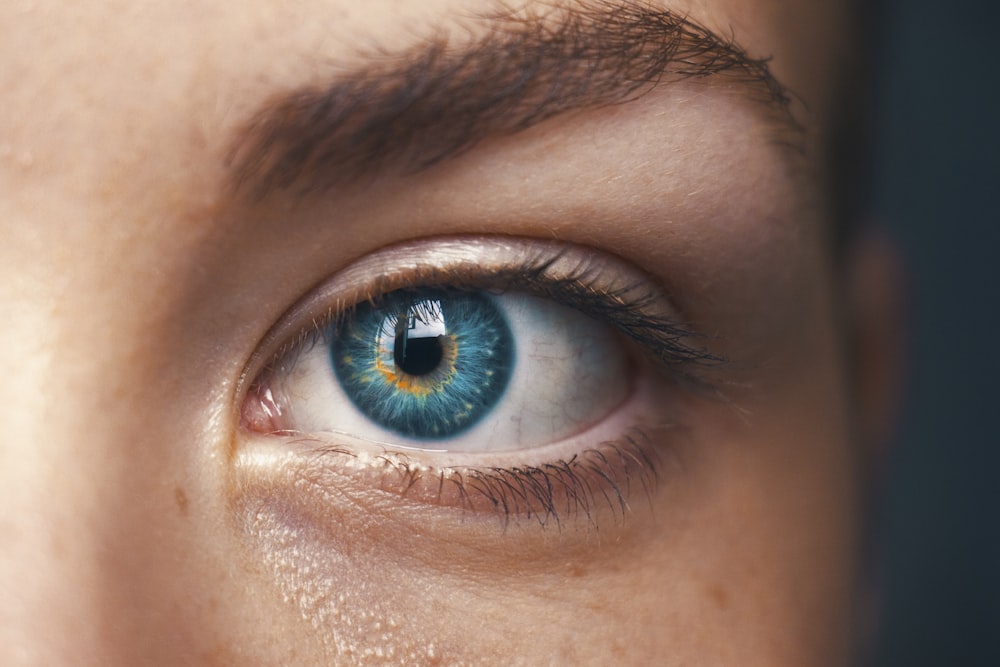
Unlike technologies designed to assist or connect us externally, Neuralink seeks to integrate with our internal cognitive processes. This fundamental shift—from using tools to becoming part of themrepresents one of the most significant ethical frontiers of our time. It moves beyond solving practical problems to potentially redefining human consciousness, autonomy, and individuality.
The Core Dilemma: Human Identity in an AI Age
The prospect of "human-AI unification" sits at the heart of the debate. Proponents argue it could unlock superhuman cognition, cure diseases, and allow direct knowledge sharing. However, critics fear it could dilute or overwrite the very essence of human experience our unique thoughts, imperfect creativity, and personal memories. When an external algorithm can influence or supplement your internal monologue, where does "you" end and the machine begin?
A World of Blurred Lines and New Vulnerabilities
This integration could create a future where the boundary between human thought and machine processing becomes indistinguishable. This raises critical concerns:
The Privacy Paradox:
Historical Echoes and Modern Anxieties
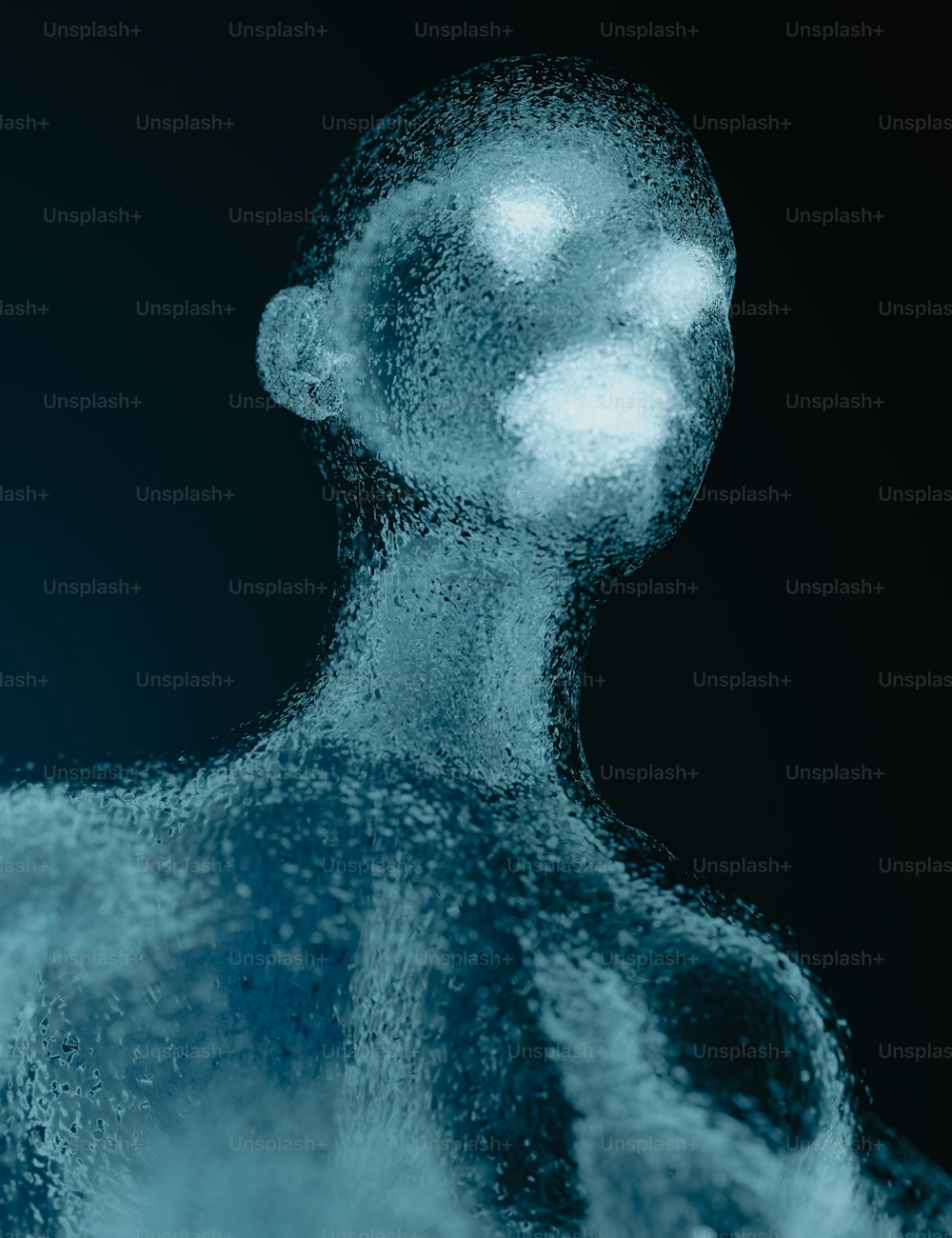
Discussions about technologies that interface with or "mark" the human body often resonate with ancient cultural and religious narratives about identity, sovereignty, and control. These stories, found across different traditions, reflect a timeless human anxiety about losing one's essence to an external, powerful system. While not a literal prediction, Neuralink's vision unintentionally taps into this deep-seated fear of being "coded" or controlled by an outside force, making public apprehension understandable.
Conclusion: Navigating an Uncertain Future
Neuralink represents a technological leap that demands an equally ambitious leap in our ethical and legal frameworks. The potential benefits for medicine are immense, but the risks to personal autonomy, privacy, and the fabric of society are equally profound.
The path forward must be navigated with extreme caution, robust public discourse, and transparent, democratic regulation. The development of brain-computer interfaces cannot be left to market forces or a single company's vision alone. It requires a global conversation about the kind of future we want and the values we must protect to remain human in an age of intelligent machines.