a
a

The Hamas-Israel Dynamic: A Complex Relationship of Resistance and Retaliation
Beyond simple categorizations, the relationship between Hamas and Israel represents a cyclical pattern of militant resistance, military response, and entrenched political stalemate that has defined the Gaza conflict for decades.
Historical Foundations: From Muslim Brotherhood to Armed Resistance
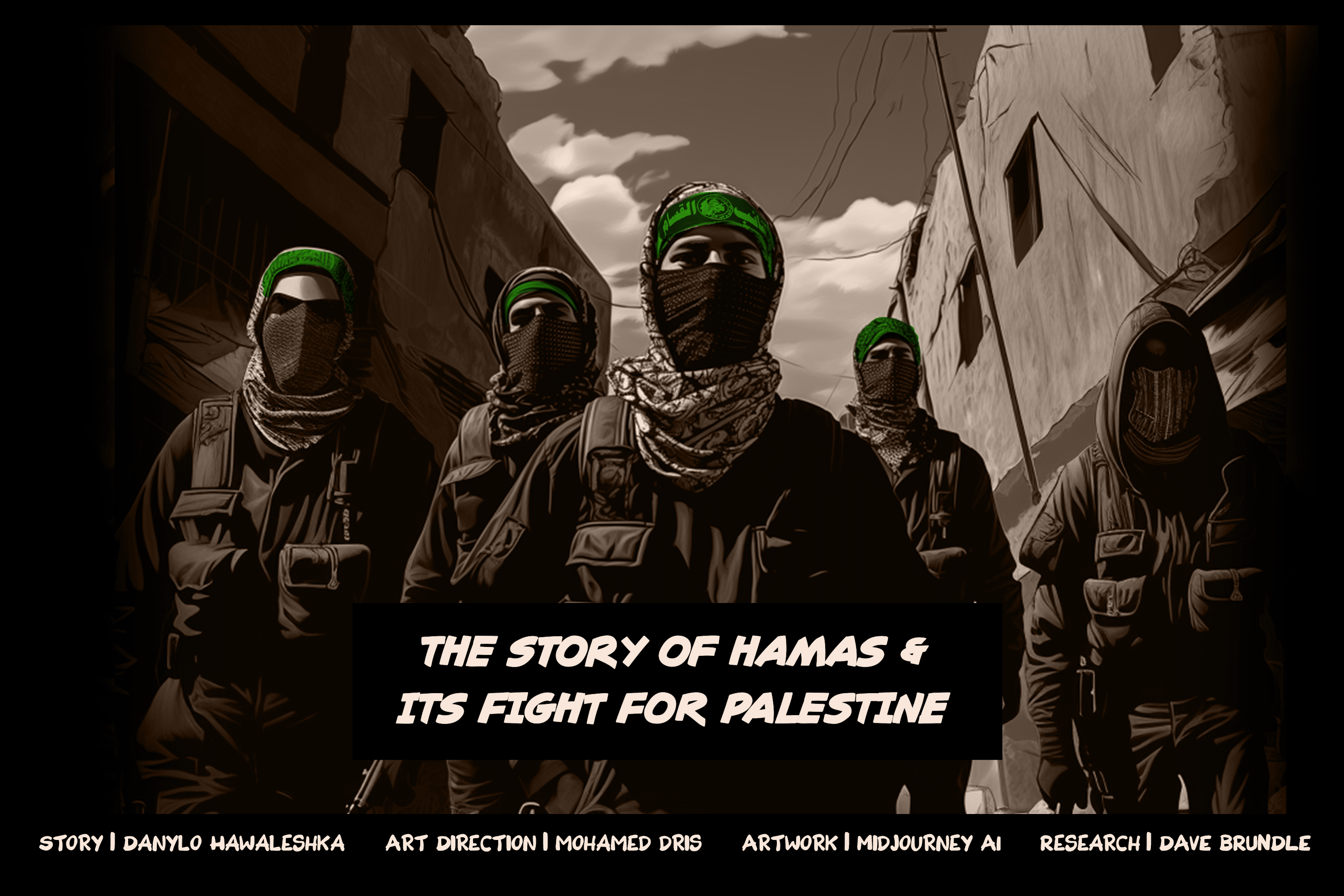
The emergence of Hamas during the First Intifada (1987) marked a significant shift in Palestinian resistance. Founded by Sheikh Ahmed Yassin, the organization blended the Muslim Brotherhood's ideological framework with militant nationalism, positioning itself as an alternative to the secular Palestine Liberation Organization (PLO). This duality—social service provider and armed resistance movement—established Hamas's unique role in Palestinian society and its contentious relationship with Israel from the outset.
Ideological Opposition and Mutual Existence Denial
The core ideological conflict stems from fundamentally irreconcilable positions. Hamas's founding charter explicitly rejects Israel's right to exist and advocates for the liberation of historic Palestine through Islamic governance. Conversely, Israel views Hamas as a terrorist entity whose very existence threatens its security. This mutual non-recognition creates a zero-sum dynamic where political compromise becomes nearly impossible, and violence emerges as the primary mode of interaction.
The Cycle of Confrontation: Wars and Their Aftermath
The relationship has been characterized by recurrent violent cycles. The Gaza Wars (2008-2009, 2012, 2014) followed a familiar pattern: rocket attacks from Gaza, Israeli military operations, significant Palestinian casualties and infrastructure damage, temporary ceasefires, followed by eventual escalation. The October 7th, 2023 attacks represented an unprecedented escalation in scale and tactics, prompting Israel's most extensive military response to date. Each cycle deepens distrust, hardens positions on both sides, and pushes political resolution further from reach.
The Governance Dilemma: Hamas's Dual Role
Hamas's relationship with Israel is complicated by its dual identity as both a governing authority and militant organization. Since winning elections in 2006 and seizing control of Gaza in 2007, Hamas has administered civil affairs for approximately two million Palestinians while maintaining its armed resistance. Israel faces the paradox of dealing with an entity it considers terrorist that simultaneously provides essential services to a captive population. This creates strategic challenges: military actions against Hamas inevitably affect civilian infrastructure and populations, generating international condemnation while rarely achieving long-term security objectives.
International Dimensions and Regional Implications
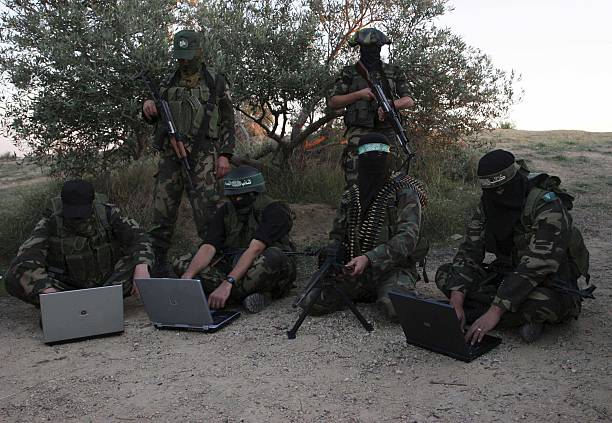
The Hamas-Israel relationship exists within a complex regional web. Hamas receives varying levels of support from Iran, Qatar, and other regional actors, while Israel maintains strategic alliances with Western nations. The international community remains divided: many countries designate Hamas as a terrorist organization, while others differentiate between its political and military wings. This external dimension ensures the conflict is never purely bilateral, with regional powers often influencing escalation or de-escalation for their own strategic interests.
Internal Palestinian Divisions as a Complicating Factor
The Hamas-Fatah split (2007-present) fundamentally shapes the conflict with Israel. With the Palestinian Authority controlling the West Bank and Hamas governing Gaza, Israel faces two distinct Palestinian entities with different approaches. This division weakens unified Palestinian negotiation power and allows Israel to employ "divide and manage" strategies. For Hamas, maintaining control of Gaza requires demonstrating resistance credibility through confrontation with Israel, creating incentives for periodic escalation even when broader Palestinian interests might favor restraint.
The Human Cost and Psychological Impact
Beyond geopolitical analysis, the relationship extracts profound human costs. Repeated conflicts have created deep trauma on both sides. Israeli civilians live under threat of rocket attacks, while Gazans endure blockade conditions and recurrent military operations. This psychological dimension creates self-perpetuating cycles: Israeli security concerns justify restrictive policies on Gaza, which Hamas cites to justify resistance, which reinforces Israeli security concerns. Breaking this psychological cycle may be as crucial as addressing political disagreements.
Looking Forward: Patterns and Possibilities
The Hamas-Israel relationship appears locked in predictable patterns: periodic escalation, international mediation, temporary calm, then renewed tension. Several factors sustain this status quo: Hamas's need to demonstrate resistance credentials to maintain legitimacy, Israel's security-driven approach that views Hamas as an irreducible threat, internal Palestinian divisions, and regional power dynamics. Future change likely requires either internal Palestinian reconciliation creating a unified negotiating partner, significant shifts in regional alliances affecting Hamas's support, or fundamentally new approaches to security and governance in Gaza that address both Israeli concerns and Palestinian aspirations.
This analysis examines the structural and cyclical nature of the Hamas-Israel relationship, acknowledging that both entities have become mutually reinforcing antagonists in a conflict where military actions often undermine long-term political solutions.